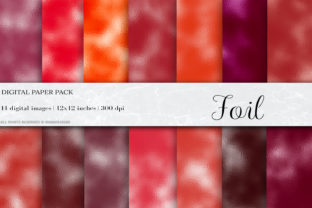
Red and Blue Background: A Versatile Design Element for Modern Workflows
The Red and Blue Background is more than just a visual choice—it's a strategic tool that can enhance the effectiveness of your design projects, from digital presentations to print materials. This combination of bold colors offers a strong visual contrast that can be used in various contexts, making it a valuable asset in both creative and professional environments.
Whether you're designing a website, creating a presentation, or preparing marketing collateral, the Red and Blue Background provides a dynamic base that can elevate your work. Its versatility allows it to fit into different workflows, serving as a backdrop that complements other design elements without overshadowing them.
Understanding the Role of Red and Blue Background in Design
In the broader design process, the Red and Blue Background plays a key role in setting the tone and mood of a project. Red is often associated with energy, passion, and urgency, while blue conveys trust, stability, and professionalism. When combined, these colors create a powerful visual statement that can be used to communicate specific messages or evoke particular emotions.
This color scheme is particularly effective in branding and marketing materials where a strong visual identity is essential. The contrast between red and blue can help draw attention to key elements, such as call-to-action buttons, headlines, or logos, ensuring that they stand out in a crowded visual landscape.
For designers and creatives, the Red and Blue Background serves as a foundation that can be customized to suit different needs. It can be used as a base for banners, wallpapers, business cards, and brochures, providing a consistent look across multiple formats and platforms.
Integrating Red and Blue Background into Your Workflow
Before starting a design project, consider how the Red and Blue Background can support your goals. If you're working on a presentation, for example, using this background can help maintain a cohesive visual theme throughout your slides. It can also serve as a starting point for developing other design elements, such as fonts, icons, and layout structures.
During the execution phase, the Red and Blue Background can act as a reference point for maintaining consistency. By using this background as a baseline, you can ensure that all elements of your design align with the intended visual style. This is especially useful when working on multi-page documents or web pages that require a unified look.
After completing a project, the Red and Blue Background can be used for quality control checks. Reviewing your work against this background can help identify issues such as poor contrast, inconsistent spacing, or visual clutter. It also provides a quick way to test how your design will appear in different environments, such as on mobile devices or printed materials.
Practical Use Cases for Red and Blue Background
The Red and Blue Background is ideal for a wide range of applications, including digital and print media. For websites, it can serve as a background for landing pages, product pages, or promotional banners. Its high contrast makes it easy to read text over, even when using dark or light fonts.
In print design, the Red and Blue Background can be used for brochures, flyers, and business cards. It adds a sense of professionalism and creativity, making it suitable for both corporate and creative industries. When paired with appropriate typography and imagery, it can create a striking visual impact that captures the viewer's attention.
For social media content, the Red and Blue Background can be used as a backdrop for images, videos, or graphics. It helps create a visually engaging feed that stands out in a user's timeline. This is particularly useful for brands looking to build a strong online presence and connect with their audience.
How Red and Blue Background Interacts with Other Design Elements
The Red and Blue Background works well with a variety of other design elements, such as text, icons, and images. When used in conjunction with complementary colors, it can create a balanced and harmonious composition. For example, using white or gray text on a red and blue background ensures readability while maintaining visual interest.
Icons and graphics can also be integrated with the Red and Blue Background to enhance the overall design. These elements should be designed with the same color palette in mind to maintain consistency. This approach not only improves the aesthetic appeal but also reinforces the brand's visual identity.
When working with other design tools or platforms, the Red and Blue Background can be easily adapted to fit different file formats and resolutions. It is available in common image formats such as JPG, making it accessible for use in various design software and publishing platforms.
Implementation Tips for Using Red and Blue Background
To get the most out of the Red and Blue Background, start by defining your design goals. Are you looking to create a bold statement, or do you need a more subtle background? Understanding your purpose will help you choose the right shade and balance of red and blue for your project.
Consider the context in which the background will be used. For digital projects, ensure that the colors are optimized for screen display. For print, check that the colors will appear accurately when printed. This may involve adjusting the color profile or using specific ink types to achieve the desired effect.
Experiment with different layouts and compositions to see how the Red and Blue Background interacts with other elements. Test different font sizes, spacing, and alignment to find the best arrangement for your design. This process can help you refine your work and achieve a more polished result.
Long-Term Use and Maintenance
When using the Red and Blue Background for long-term projects, it's important to maintain its quality and relevance. Regularly review your designs to ensure that they remain consistent with the original vision. Update any elements that may have become outdated or less effective over time.
Keep track of how the Red and Blue Background performs in different environments. Monitor user feedback, performance metrics, and design trends to determine if any adjustments are needed. This proactive approach can help you stay ahead of changes and keep your work fresh and engaging.
Finally, make sure to store and organize your Red and Blue Background files properly. This includes saving them in the correct format, naming them clearly, and keeping them in an accessible location. Proper organization can save time and reduce errors when working on future projects.